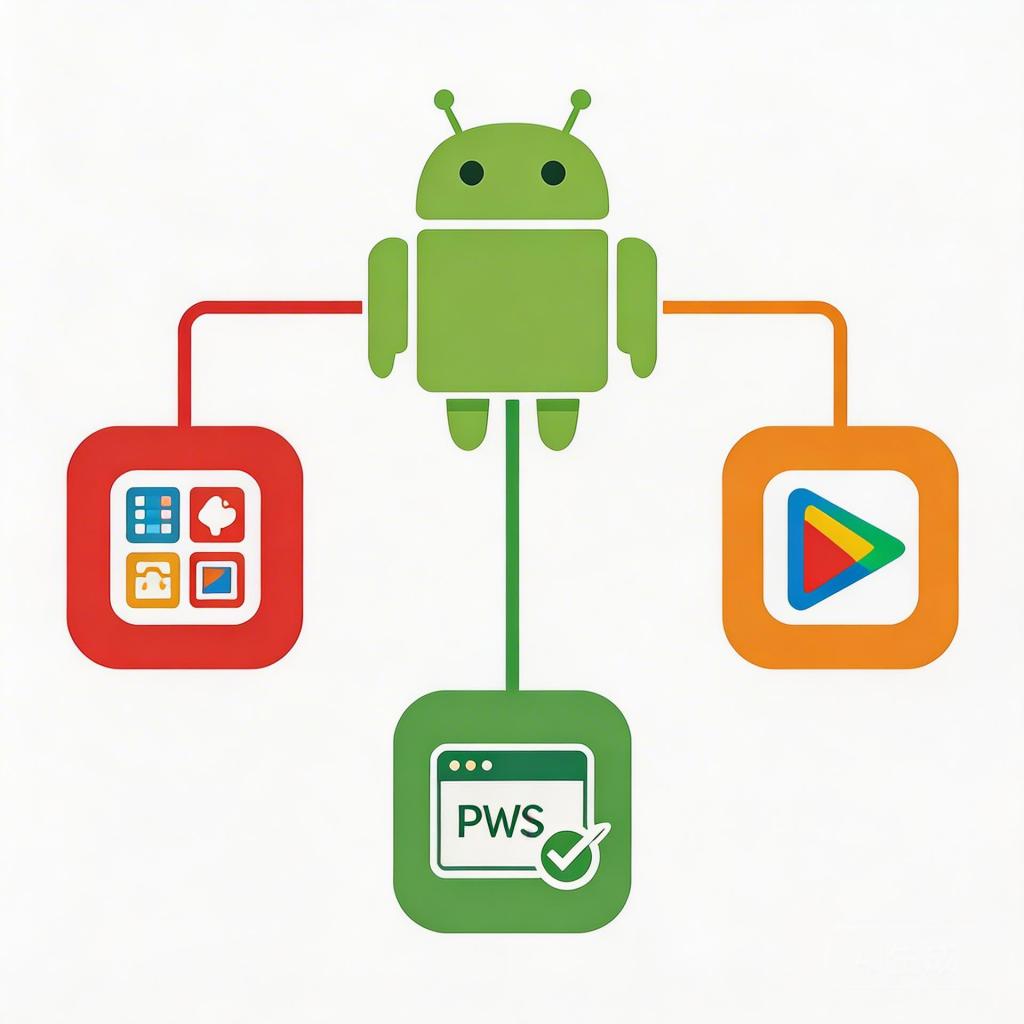
When Android app teams look for alternatives to Google Play, they’re usually solving for one of three problems: a 30% commission eating into IAP revenue, review rejections blocking time-sensitive updates, or policy enforcement risk in categories with uncertain standing (AI social, subscription apps, gaming).
This guide focuses on what actually works as a Google Play alternative for Android app distribution in 2026 — not theoretical options, but the approaches that teams are successfully using to distribute Android apps, retain more revenue, and reduce platform dependency.
→ Want to bypass Google Play entirely? See how ROiBest PWA works — no submission, no cut, 1.2x installs.
The Problem with Google Play Dependency in 2026
Google Play dependency has two dimensions teams underestimate:
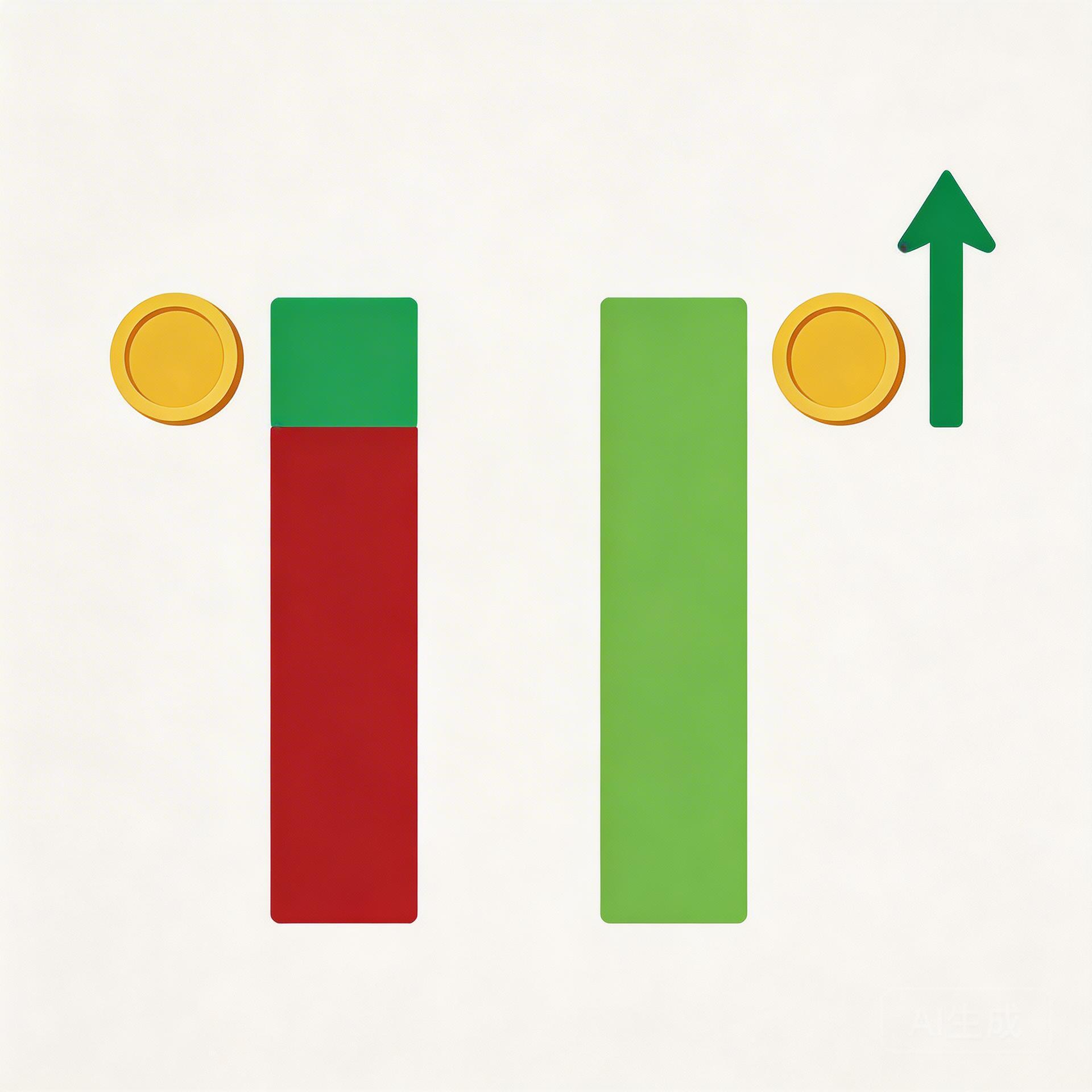
Revenue dependency: Every IAP transaction that flows through Google’s billing system costs you 15-30%. For a BC game generating $200,000/month in IAP revenue, that’s $60,000/month ($720,000/year) in mandatory platform commission before a single dollar of marketing spend. There is no renegotiation — either you use Google Billing, or Google doesn’t distribute your app.
Operational dependency: Every significant update requires passing review. Google’s review timeline averages 3-7 days for initial submissions and 1-3 days for updates, with sensitive categories regularly seeing extended reviews. For teams doing weekly updates or needing to deploy hotfixes to production quickly, this creates a structural bottleneck that slows competitive response time.
Both forms of dependency have real business impact. The question isn’t whether to reduce Google Play dependency — it’s how.
Google Play Alternatives: What Actually Works
Option 1: Third-Party Android App Stores
The most visible Google Play alternatives are other app stores: Amazon Appstore, Samsung Galaxy Store, Huawei AppGallery, Aptoide.
What works:
- Huawei AppGallery has meaningful reach in markets without Google services (parts of Europe, Southeast Asia, Middle East)
- Samsung Galaxy Store reaches Samsung device owners and has lower competition for featured placement
- Amazon Appstore has strong coverage in Amazon Echo ecosystem and in US/UK for certain demographics
What doesn’t solve the core problem:
- Commission rates are the same or higher: Amazon charges 30%, Samsung charges 30%, Huawei varies
- None of these stores approaches Google Play’s total market coverage on Android
- You still go through a review process — just a different one
- These are supplementary channels, not replacements
Best use case: adding Huawei AppGallery for non-Google-services markets, or Samsung Galaxy Store for Samsung-specific features. Don’t expect these to solve your revenue or review dependency.
Option 2: Direct APK Distribution (Sideloading)
Host your APK on your own server and direct users to download and install manually. Users must enable “install from unknown sources” in Android settings.
When it makes sense:
- Existing users who already have a strong relationship with your brand and are motivated to follow the process
- Internal distribution (enterprise apps, beta testing)
- Geographies where sideloading is culturally normalized (some Southeast Asian markets)
When it doesn’t work:
- Performance marketing acquisition: the unknown sources prompt kills conversion rates. Industry data shows sideload install rates running at 15-25% of app store equivalent for cold traffic
- First-time brand exposure: asking a new user to sideload an unfamiliar app creates too much friction and trust risk
Option 3: Android PWA Distribution (Best for Revenue + Performance Marketing)
Android Progressive Web Apps install directly from the browser to the user’s home screen via Chrome’s “Add to Home Screen” prompt. No app store required.
How it differs from sideloading:
- No “unknown sources” prompt required — installing from a website via Chrome is treated as a standard browser action
- The install experience is native and familiar — Chrome shows the install prompt, user taps “Install,” icon appears on home screen
- Higher install conversion rates: ROiBest data shows 1.2x install conversion vs Google Play for performance-driven traffic (not organic store traffic)
Revenue impact:
- Zero Google Play commission — use your own payment processor (Stripe, Braintree, etc.)
- No policy restrictions on payment methods or in-app purchase structures (within your payment processor’s terms and applicable laws)
- Typical effective savings after payment processing fees: 25-28% of IAP revenue retained vs. Play Store
Operational impact:
- Updates are instant — change your web app and users get it without any review
- No policy enforcement risk — your app’s staying live is entirely within your control
- Push notifications work after uninstall (Chrome Web Push API) — a retention advantage native Play apps don’t have
Practical benchmark: For a BC gaming app with $150,000/month in IAP revenue, switching to PWA distribution saves approximately $390,000-435,000 per year in platform commission (net of payment processing fees). The break-even on PWA infrastructure investment is typically 1-2 months.
Want to run the numbers for your specific app? ROiBest will model the economics before you commit.
Which Distribution Strategy Matches Which App Type
Not every app should use the same approach. Here’s a practical decision matrix:
BC Gaming Apps (High IAP ARPU)
Recommended: Android PWA as primary distribution channel for performance marketing traffic + maintain Google Play for organic store discovery (at least initially)
Rationale: The commission savings are largest for high-IAP-ARPU apps, and gaming teams typically already drive most installs through performance marketing (Meta, Google Ads) rather than organic Play Store. Switching the performance marketing traffic to PWA while maintaining Play Store for organic creates a natural hybrid that optimizes revenue without abandoning existing store presence.
AI Social/Companion Apps
Recommended: Android PWA as primary distribution, reduce Google Play exposure
Rationale: Double incentive — high subscription revenue (commission savings) plus policy enforcement risk (AI content scrutiny is increasing). Teams in this category have reported increasing review friction even for updates that previously sailed through. PWA removes the enforcement dependency entirely.
Utility/Productivity Apps
Recommended: Evaluate carefully; PWA may not be the right fit
Rationale: Utility apps often depend heavily on Google Play organic discovery for user acquisition. If organic Play Store traffic accounts for 40%+ of installs, the UA cost increase from losing organic exposure may offset the commission savings. Run the math before committing.
Apps in Regulated/Restricted Categories
Recommended: Android PWA strongly recommended
Rationale: If your app category faces ongoing policy uncertainty (gambling-adjacent, certain adult content, specific AI use cases), Google Play dependency is an existential risk. A single policy change or enforcement action can remove your distribution channel overnight. PWA distribution is not subject to Play Store policy enforcement.
Practical Steps to Reduce Google Play Dependency
- Audit your current install sources: What % of installs come from Google Play organic vs. performance marketing? The higher your paid install %, the less UA cost impact from switching performance traffic to PWA
- Calculate your annual commission exposure: Monthly IAP + subscription revenue × 30% × 12 = your current annual cost
- Model the PWA scenario: Annual savings (commission) minus annual costs (PWA infrastructure + payment processing delta) = net annual benefit
- Start with new performance marketing campaigns directed to PWA install page rather than Play Store — keep existing Play Store presence for organic
- Monitor comparative install rates and downstream conversion: Track whether PWA traffic converts at the same or better rate post-install
Related reading: Complete Android App Distribution Guide and Distribution Cost Comparison: PWA vs App Stores.
Summary: Google Play Alternative Selection Guide 2026
- Third-party app stores don’t solve the commission problem — same rates, smaller reach
- APK sideloading is viable for loyal existing users only, not performance marketing acquisition
- Android PWA is the best fit for revenue optimization + performance marketing: no commission, 1.2x install rate, instant updates, post-uninstall push
- Best candidates for PWA migration: BC gaming, AI social/companion, subscription apps, policy-risk categories
- Hybrid approach (PWA for paid traffic + Play Store for organic) reduces migration risk while capturing revenue benefits immediately
Skip the app store. Go live instantly, keep 100% of your revenue.
ROiBest helps Android app teams launch PWAs — no review process, no 30% Google Play cut, and push notifications that work even after uninstall. Teams see up to 1.2x higher install conversion rates vs native app downloads.
 WebApp中文站
留下评论