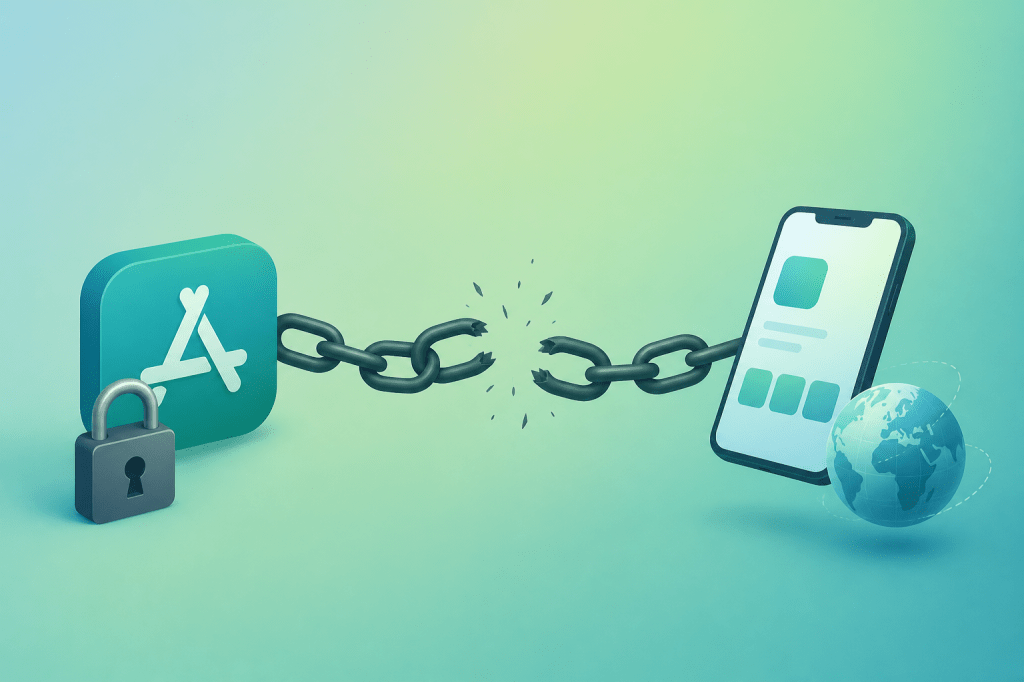
Google’s Customer Match is migrating from legacy audience uploads to the Data Manager API. For app teams that rely on Google Play for distribution, this means another layer of platform dependency — your audience data, your campaign targeting, and your distribution channel all run through Google’s infrastructure.
PWA distribution eliminates this single-point-of-failure risk. When your app lives on the open web instead of inside Google Play, platform API changes like the Customer Match migration don’t disrupt your user acquisition funnel.
→ Want to bypass Google Play entirely? See how ROiBest PWA works — no submission, no cut, 1.2x installs.
What the Customer Match Migration Reveals About Platform Risk
The Customer Match API migration requires advertisers to rebuild their audience upload workflows — new API endpoints, new data formatting requirements, new authentication flows. For most teams, this is a 2-4 week engineering project.
But the bigger issue isn’t the migration itself. It’s what it represents: when your entire distribution strategy depends on Google’s platform, every API change becomes a mandatory fire drill. Consider what Google Play-dependent app teams face:
- Distribution risk — Google Play policy changes can delist your app overnight, cutting off your primary install channel
- Revenue risk — Google’s 30% commission applies to all in-app purchases processed through Play billing
- Data risk — API migrations like Customer Match force engineering resources away from growth to compliance
- Targeting risk — Your audience segments exist inside Google’s ecosystem and can’t be easily ported to other channels
For gaming BC teams and AI social app publishers, these risks compound. A single Google Play policy update can simultaneously disrupt your distribution, your audience targeting, and your revenue model.
How PWA Distribution Decouples You from Platform API Changes
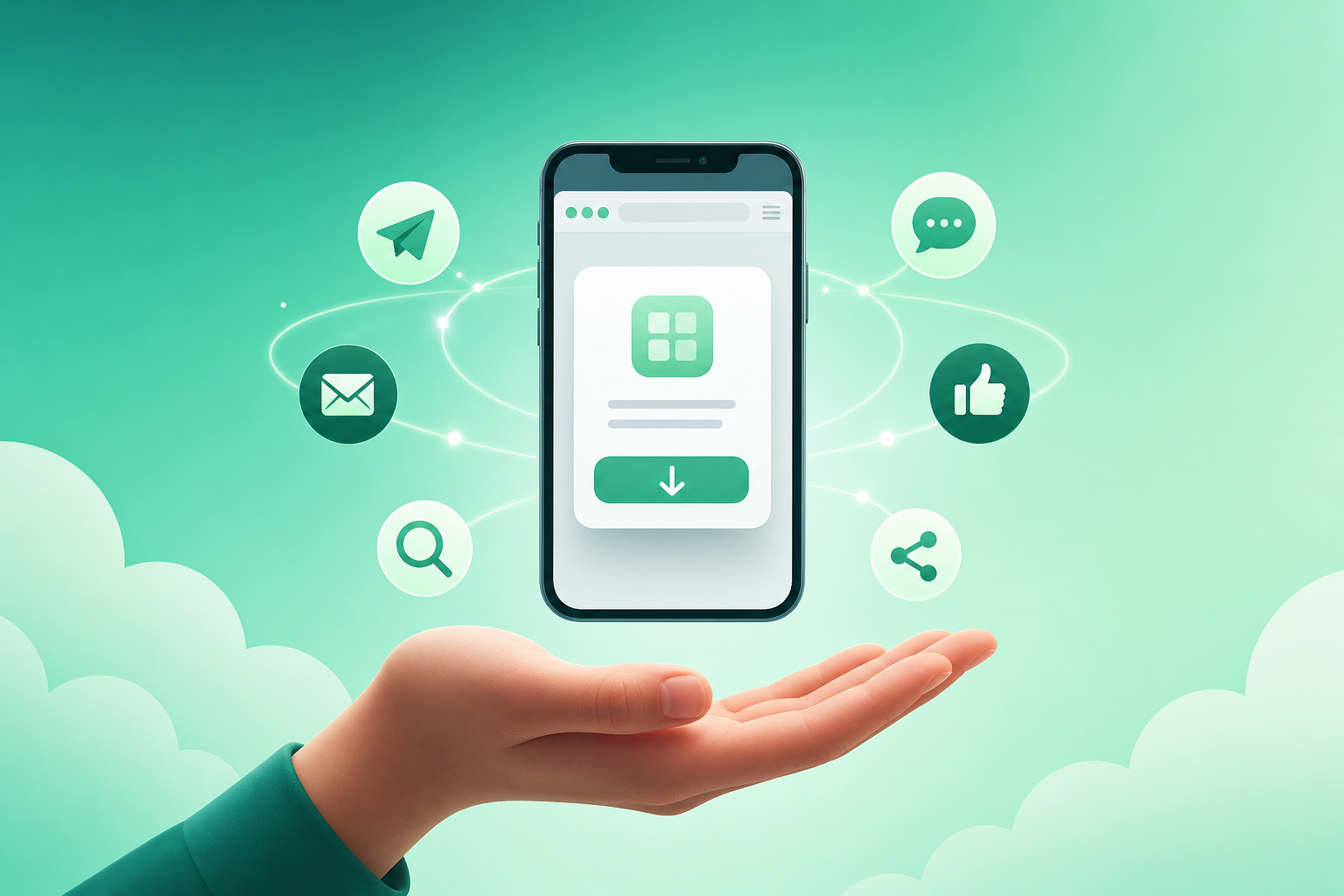
PWA (Progressive Web App) distribution puts your app on the open web. Users install directly from your landing page to their home screen — no app store submission, no review process, no platform intermediary.
This architectural difference means platform API changes like the Customer Match migration have zero impact on your distribution:
- Your install channel is independent — Users find and install your PWA through your own domains, not through a platform marketplace
- Your data stays portable — First-party install and engagement data lives on your infrastructure, not locked inside a platform API
- Your revenue is uncut — No 30% commission, no platform billing requirements
- Your push notifications persist — PWA push works through Chrome even after the user removes the app, giving you re-engagement capability that native apps lose after uninstall
Teams using PWA distribution report 1.2x higher install conversion rates compared to Google Play, because the install flow is instant — no download wait, no app store friction.
Real Scenarios: When Platform Dependency Costs You
Consider a gaming BC team running Google Ads campaigns with Customer Match audiences to drive installs for their casual game on Google Play. When the API migration hits:
- Their audience upload pipeline breaks → 3-5 days of degraded campaign targeting
- Engineering team pulls from product work to fix the integration → opportunity cost
- During the migration window, install campaigns run on broader audiences → CPI spikes 20-30%
Now compare the same team using PWA distribution: Customer Match migration has zero impact on their install funnel because users install directly from the landing page. Their engineering team stays focused on product, not platform compliance.
This is the same pattern we saw when Meta tightened ad review policies — app teams dependent on a single platform bore the full cost of policy changes, while PWA-distributed teams kept running without interruption.
Common Concerns About Switching to PWA
“Will users actually install a PWA?”
Yes. Modern Android PWAs install to the home screen with a native app icon and full-screen experience. Users often can’t distinguish a well-built PWA from a native app. Install rates are actually higher because there’s no app store redirect or download wait.
“Can we still run Google Ads campaigns?”
Absolutely. You can run Google Ads, Meta Ads, and TikTok campaigns pointing to your PWA install page. The difference is that your install conversion happens on your own landing page instead of the Play Store, giving you more control over the experience and the data.
“What about push notifications?”
PWA push notifications work through Chrome on Android and have a key advantage: they persist even after the user removes the app icon. This means your re-engagement capability actually exceeds what native apps offer through Google Play.
Action Plan: Reduce Platform Dependency
- Assess your current Google Play dependency — how many critical business functions route through Google’s infrastructure?
- Evaluate the engineering cost of the Customer Match API migration as a proxy for ongoing platform compliance burden
- Test a PWA version of your app alongside your Google Play listing to compare install rates and retention
- Shift budget toward PWA install campaigns to diversify your distribution risk
- Build first-party data infrastructure so audience segments aren’t locked inside any single platform
Every platform API migration is a reminder: the teams that own their distribution channel don’t have to scramble when platforms change the rules.
Skip the app store. Go live instantly, keep 100% of your revenue.
ROiBest helps Android app teams launch PWAs — no review process, no 30% Google Play cut, and push notifications that work even after uninstall. Teams see up to 1.2x higher install conversion rates vs native app downloads.
 WebApp中文站
留下评论